Die Lehre von den zwei Reichen ist in der Theologie der Gegenwart nicht sonderlich beliebt. »Muss die Vorstellung, dass ein Christ gleichzeitig in zwei Reichen lebt, nicht in eine Form von Schizophrenie führen?«, hört man. Ich glaube das nicht und will mit diesem kleinen Beitrag versuchen, einige Stärken von Luthers Sicht (wahrlich nicht nur Luthers Sicht) herauszustellen.
Der Begriff »Zwei Reiche-Lehre« stammt von Harald Diem (1938). Vorher benutzten bereits dialektische Theologen seit etwa 1920 den Ausdruck »Lehre von den Zwei Reichen«. Nach 1945 wurde im Gefolge von Johannes Heckel bevorzugt von der »Zwei-Regimenten-Lehre« gesprochen. Der deutsche Reformator selbst sprach zunächst von »zwei Regimenten«, später auch von »zwei Reichen«. In seiner Schrift »Von weltlicher Obrigkeit« (Neujahr 1523), die für die Entwicklung der Zwei Reiche-Lehre von besonderer Bedeutung ist, benutzt er beide Begriffe.
Was wollte Luther eigentlich deutlich machen?
Luther behauptet (Althaus, »Luthers Lehre von den beiden Reichen im Feuer der Kritik«, Luther-Jahrbuch, 1957, S. 42):
Gott regiert die Welt auf eine doppelte Weise. Die eine Weise hilft zur Erhaltung dieses leiblichen, irdischen, zeitlichen Lebens, damit zur Erhaltung der Welt. Die andere Weise hilft zum ewigen Leben, das heißt: zur Erlösung der Welt. Das erste Regiment führt Gott mit der linken Hand, das zweite mit der rechten Hand.
Im Reiche Gottes mit der rechten Hand ist Christus König und Herr. Jesus regiert durch das Evangelium, das »dargeboten« ist »in Wort und Sakrament«. Er befreit die »Seinen« vom Zorn Gottes durch die Vergebung der Sünden; er bringt die Freiheit »von dem verklagenden Gesetze«. Das Evangelium wird durch Glauben empfangen und führt zur Liebe, welche im Menschen durch den Heiligen Geist gewirkt wird.

Gottes Reich mit der linken Hand dagegen umfasst die weltliche Obrigkeit und alles, was zur Erhaltung und Ordnung dieses zeitlichen Lebens dient, also auch Ehe und Familie, Eigentum, Wirtschaft, Stand und Beruf usw.
Beim Verhältnis der beiden Regimente zueinander betont Luther die tiefe Einheit, da sie beide von dem einen Gott eingesetzt sind. Das weltliche Regiment darf keinesfalls mit dem »Satansreich« verwechselt werden. Auch wenn das »weltliche Regiment um der Sünde willen da ist«, ist es trotzdem göttliche Ordnung. In beiden Regimenten waltet Gottes Liebe und Güte. Selbst der Zorn Gottes steht »im Dienste der Barmherzigkeit«, nämlich um die »Bösen … zu zwingen und zu strafen« und »die Frommen zu schützen«.
Auch wenn beide Regimente göttlichen Ursprungs sind, wird Luther nicht müde, vor einer Vermischung der Regimente zu warnen:
Dieser Unterschied zwischen dem weltlichen Regimente, dem Hausstande und der Kirche muß fleißig bewahrt, und ein jeglicher Stand in seinen gehörigen Schranken gehalten werden. Und wiewohl wir aus allen Kräften darauf hingearbeitet haben, so wird doch der Satan nicht aufhören, dieses unter einander zu mischen und zu verwirren, und es wird niemals an Leuten mangeln, die sich nicht in den Schranken ihres Amts halten werden. Die mit falschem Geist erfüllten (spirituosi), schwärmerischen und aufrührerischen Lehrer, mit ihrem Amte nicht zufrieden, reißen auch das weltliche Regiment an sich. Dagegen die weltliche Obrigkeit und die Fürsten senden auch ihre Sichel in eine fremde Ernte, und legen ihre Hände an das Ruder des Kirchenregiments, und nehmen sich auch hier die Herrschaft heraus. So hat der Teufel allezeit seine Werkzeuge, die uns hier Unruhen erregen und die vorgeschriebenen Grenzen ihres Berufs überschreiten. (Luther, Sämtliche Schriften, Bd. 6, Sp. 170)
Mit dieser Unterscheidung untermauert Luther die für das Abendland so bedeutende Unterteilung von Kirche und Staat. Weder darf die Kirche mit staatlichen Mitteln, z. B. mit dem Schwert, geistliche Ziele durchsetzen. Noch darf der Staat sich autoritär in die pastoralen Belange der Kirche einmischen. Durch die Unterscheidung, nicht vollständige Trennung oder Abspaltung, beider göttlicher Regimente, wird also gewährleistet, dass der Staat der Kirche einen eigenen Raum überlässt und die Kirche andersherum nicht den Staat instrumentalisiert. Auch heute sehen wir, welch verhängnisvolle Folgen die Vermischung von Politik und Religion haben kann.
Die Trennung von geistlicher und staatlicher Kompetenz ist nicht etwa eine Erfindung Luthers. Sie zieht sich durch das Neue Testament und wird – entgegen mancher Vorurteile – bereits im Alten Testament gefordert. So finden wir z. B. folgende Unterscheidungen:
- Könige und Fürsten sowie Priester und Propheten (vgl. z.B. Jer 32,32);
- Barak als Feldherr und Deborah als Prophetin (vgl. Ri 4,4–9);
- Nehemia als Statthalter und Esra als Priester: Als der Politiker Nehemia verfolgt wurde, widerstand er der Versuchung, in den Tempel zu flüchten und dort sein Leben zu retten. Es wäre eine Sünde gewesen, seine gesellschaftliche Verantwortung nicht ernst zu nehmen. Gott erwartete von ihm, dass er sich seinem Kompetenzbereich als Statthalter stellt, auch wenn es gefährlich wird (vgl. Neh 6,10–14).
Uns Christen ist es nicht erlaubt, das Reich Gottes mit dem Schwert zu bauen (vgl. Mt 26,52)! Abraham Kuyper (1837–1920), ein bedeutender reformierter Theologe und zeitweilig niederländischer Ministerpräsident, schrieb trotz seines beeindruckenden politischen Engagements:
In der Regierung des Staates darf die Gemeinde nicht herrschen wollen. Ihr Werkzeug ist das freie Wort, ihre Macht der Einfluss von Mensch auf Mensch in seinem Gewissen, seinem Haus, der Welt seines Denkens, … (Kuyper, Die Kirche Jesu Christi: Worte aus Reden und Schriften, 1926, S. 44)
Anmerkungen:
• Weitere Fragen zur Zwei Reiche-Lehre hat Michael Horton aus reformierter Sicht in einer aktuellen Serie beantwortet, die hier zusammenhängend herunter geladen werden kann. (Leider nur auf Englisch. Will es jemand übersetzen?): www.whitehorseinn.org.
• Empfehlen kann ich ebenfalls das von Thomas Schirrmacher herausgegebene Buch (mit Beiträgen von Titus Vogt und Andreas Peter): Die vier Schöpfungsordnungen Gottes: Kirche, Staat, Wirtschaft und Familie bei Martin Luther und Dietrich Bonhoeffer, Nürnberg, VTR, 2001.



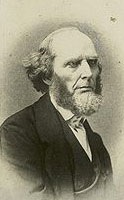 Jerry Falwell bezeichnete ihn als »einen seiner Helden und als Helden vieler Evangelikaler, einschließlich Billy Graham«. Keith Green und einige Leiter von »Jugend mit einer Mission« haben ihn verehrt. Für mache Evangelisten ist er nach wie vor ein großes Vorbild. Sein Einfluss auf die Evangelikale Bewegung reicht weit über den angelsächischen Raum hinaus.