Restored To Our Destiny
Brian Mattson ist nicht nur ein guter Gitarrist (das Soloalbum „Beckon Me“ gibt es auf iTunes), sondern vor allem ein exzellenter Theologe. Das Bavinck-Institut hat mit ihm über seine Dissertation:
- Brian Mattson: Restored to Our Destiny: Eschatology & the Image of God in Herman Bavinck’s Reformed Dogmatics, Studies in Reformed Theology 21, Leiden: Brill, 2011, ca. 115,00 Euro
gesprochen. Mattson hat völlig recht, wenn er meint, die Metaphysik lasse sich nicht dauerhaft ausblenden. Die neusten Entwicklungen in der Philosophie und Theologie signalisieren denn auch eine mächtige Rückkehr metaphysischen Denkens.
Mattson sagt:
But metaphysics more broadly has clearly fallen on hard times, and we often think its demise is of more recent vintage than it really is. One of the benefits of reading Bavinck is that it becomes clear that the rejection of metaphysics is not, as conventional wisdom sometimes has it, a byproduct of postmodernism’s critique of foundationalism. Bavinck’s entire theology is presented in contrast to the anti-metaphysical climate of the late nineteenth century. What is so significant, to me, at any rate (and getting at your question), is how modernism’s rejection of metaphysics invariably resulted in a collapse of the Creator/creature distinction, seen, for example, in Bavinck’s relentless critiques of the pantheism of Hegel and Schelling. This is one thing that certainly hasn’t changed in the much-vaunted “postmodern turn.” Rejecting “metaphysics” seems as much today the “gateway drug” for pantheism just as much as it was in Bavinck’s context.
I am not sure I am adequately answering your question, so I’ll stick with this: I do believe, as did Bavinck, that metaphysics cannot be wished away. With respect to his modernist interlocutors he recognized that they were not rejecting metaphysics; they were providing an alternative metaphysics. I believe the same is true with postmodernism. And if we want to replace the metaphysical worldview the Bible presents to us we will not be improving matters. Depart from the Trinitarian Creator/creature distinction at your own risk. Not only will you not have an adequate doctrine of covenant, in the end you won’t have a doctrine of God or creation left either.
Hier das Interview: bavinckinstitute.org.
 Am Calvin Theological Seminary wurde ein Bavinck Institut gegründet. In der Selbstdarstellung heißt es:
 Das New College (University of Edinburgh) und die Freie Universität Amsterdam veranstalten in diesem Herbst eine zweitägige Konferenz über den calvinistischen Theologen Herman Bavinck (1854–1921). Die Konferenz findet zwischen vom 1.-2. September 2010 in Edinburgh statt.
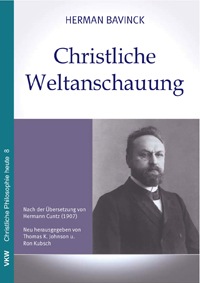 Der Niederländer Herman Bavinck (1854–1921) beschäftigte sich sein ganzes Leben lang mit dem Spannungsfeld von christlichem Glauben und moderner Kultur. Nach einer kurzen Tätigkeit als Pastor einer Gemeinde in Friesland wurde Herman Bavinck 1882 als Professor der Systematischen Theologie an die Theologische Hochschule nach Kampen berufen. 1902 wechselte er nach Amsterdam und lehrte dort als Professor der Theologie an der freien Universität. Heute gilt Bavinck zusammen mit Abraham Kuyper als Hauptvertreter der ersten Generation der neo-calvinistischen Theologie.

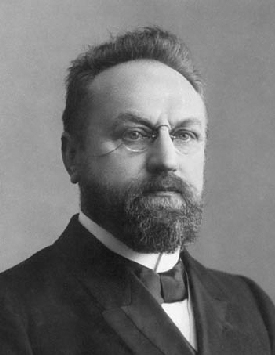 Derzeit arbeite ich an einem Manuskript von Hermann Bavinck (1854–1921), das hoffentlich 2008 (erneut) veröffentlicht werden kann. Der niederländische Theologieprofessor erweist sich bei näherer Betrachtung als ein äußerst vielseitiger Mensch, dessen Leben sich im Spannungsfeld von orthodoxem Christentum und moderner Kultur bewegte.