Zur Amnesie der eigenen theologischen Wurzeln
 Wo er recht hat, hat Jens Zimmermann recht (Theologische Hermeneutik: Ein trinitarisch-christologischer Entwurf, Herder Verlag, 2008, S. 23):
Obwohl mittlerweile an Büchern über die Geschichte der Hermeneutik kein Mangel herrscht, erhalten wir von der so genannten vorkritischen Tradition, wie Hans Frei die Interpretationspraktiken vom Kirchenbeginn bis hin zur Aufklärung zusammenfasste, weder ein klares noch ein verständiges Bild. Weder Theologen noch Philosophen haben bisher diese Tradition mit dem verdienten Verständnis und Respekt in die Entwicklung der Hermeneutik eingeordnet. Die Philosophie betrachtet theologische Interpretationsmodelle immer noch mit einer Art elitären Hochmuts, der auf eine explizit religiöse Weltanschauung mit der Arroganz des Aufklärungswissenschaftlers hinabschaut. Selbst wenn an der Religion doch etwas dran sein sollte, so darf sich dieses etwas keineswegs zu positiv gestalten, denn in dieser Richtung lauert, Gott bewahre uns, das Schreckgespenst des Dogmatismus, ja des Fundamentalismus, und damit der religiös motivierten Gewalt; dann schon lieber ein postmoderner Pluralismus, bei dem sich alles in Interpretation auflöst.
Auf Seiten der Theologie sieht es nicht wesentlich besser aus, vor allem nicht im populären Bereich. Besonders im nordamerikanischen evangelischen Christentum herrscht eine generelle Amnesie der eigenen theologischen Wurzeln, eine fast vollkommene Unkenntnis der Reformationshermeneutik, obwohl in einigen Kreisen die Slogans sola gratia, sola fide, und sola scriptura noch wie Markenzeichen kursieren und ungefähr den gleichen Tiefgang aufweisen. Dieser Erinnerungsverlust der eigenen Tradition erklärt jedoch zumindest, warum die so genannten evangelicals (um diese Gruppe nicht mit dem deutschen Begriff evangelisch zu verwechseln), von wenigen Ausnahmen abgesehen, postmodernes Gedankengut entweder ohne kritische Auseinandersetzung aufnehmen oder also dämonisch zurückweisen. Beiden Reaktionen liegt die Unkenntnis der Reformationstheologie und deren Auslegungspraktiken zugrunde.
Als Rezension zur englischen Ausgabe dieses interessanten Buches sei empfohlen: Moon, Joshua. „Recovering Theological Hermeneutics: An Incarnational-Trinitarian Theory of Interpretation¡, Presbyterion Presbyterion 32, Nr. 2 (2006): S. 115–18. Moon weist auf einige Schwächen hin, wenn er schreibt (S. 117):
Zimmermann shows no critical reflection on why it is that we should follow the history of hermeneutics through its secularization and have to work into our beliefs about the world the conclusions of that history. He goes to pains to emphasize that we cannot simply return to a „pre-modern“ mindset and convictions but must follow the philosophical insights that separate us from them. The question that arises is: why we must do so? In particular, it is the work of Kant that is the dividing line in Zimmermann’s story. Why must we embrace Kanfs arguments and conclusions that divide us not only from the world and one another, but from God as well? This is particularly poignant when Zimmermann makes such absolute claims for his branch of philosophical study, such as „Philosophical hermeneutics is by far the best account of human knowledge“ (185), or „theology must fully adopt Gadamer’s insistence on the linguisticality of interpretation“ (182).
I grant that Zimmermann has every right to make the case at these points, but especially regarding the first he does not make a case at all. He completely ignores both the philosophical tradition that parts company with his judgment (not a single reference anywhere to those who could be considered analytic philosophers), and the Christian philosophers of the present day who disagree. The latter is most disappointing given the fascinating discussion of John Owen (esp. 90-91), which paints a picture with unmistakeable connections both to Blaise Pascal and, even more, Thomas Reid. Such a picture would naturally lead one to discuss the theological/philosophical tradition of Owen and the Reformed scholastics and perhaps trace the line up to the Reformed Dogmatics of Herman Bavinck (who also disputes Cartesian thought on the one hand and transcendental idealism on the other) and his contemporary Abraham Kuyper, then on into the present. Even without that line, the move from Thomas Reid to the contemporary work of Nicholas Wolterstorff and especially Alvin Plantinga—in that same broad line of understandings of epistemology one sees in Owen—is a small one. Yet we are given nothing of the sort. Instead we are told, without apology, that we must accept the Kantian dilemma and the irreducible linguisticality of existence, all in order to emerge by clinging to the incarnation. And even within this Zimmermann makes no mention of the numerous Christian thinkers already involved in interacting with these issues, such as Anthony Thiselton, Kevin Vanhoozer, Dan Stiver (who embraces Paul Ricoeur, another figure whose absence looms large), Craig Bartholomew, or others.

 Das neue Buch von Graeme Goldsworthy (Moore Theological College in Sydney) hat das Zeug, wieder ein Klassiker zu werden. Hier das Inhaltsverzeichnis von:
 Mollie Ziegler Hemingway hat für Christianity Today das neue Buch Die Intoleranz der Toleranz gelesen:
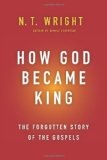 In seinem neusten Buch
  Ein hörenswerter Beitrag über ein sehr gutes Buch:
 In der Evangelischen Verlagsanstalt ist gerade ein neues Buch über die Johannesoffenbarung erschienen:
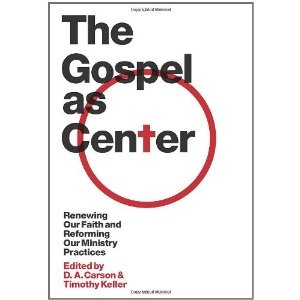 D.A. Carson (Referent auf der
  Wie der Titel des Buches verrät, ist darin die Abwertung des Mannes das vorrangig behandelte Problem. „Die Rolle des Mindermenschen wird ihm zugewiesen“, urteilt Bönt, er gelte als „Wegwerfwesen“, das beispielsweise in Beruf und Krieg leichtfertig geopfert wird, um eine für beide Geschlechter lebenswertere Welt herbeizuführen. Dabei hat sich, wie Bont ausführt, die Verachtung gegenüber Männern bis zur Gegenwart nur noch verstärkt. Ihre Sexualität beispielsweise gelte „in Nachrichten und Unterhaltung entweder als das Lächerliche oder als das Böse schlechthin“. Es entsteht eine Kultur des Dauerverdachts: Väter, die auf Spielplätzen anwesend sind, schildert Bönt am Beispiel eines konkreten Falles, werden als Triebtäter verdächtigt und müssen sich von Polizisten befragen lassen, die von besorgten Frauen alarmiert wurden. Amerikanische Firmen gehen inzwischen so weit, jeden Angestellten schriftlich darauf hinzuweisen, den Fahrstuhl zu verlassen und die Treppe zu nehmen oder auf den nächsten zu warten, wenn er sonst allein mit einer Frau in der Kabine führe.